

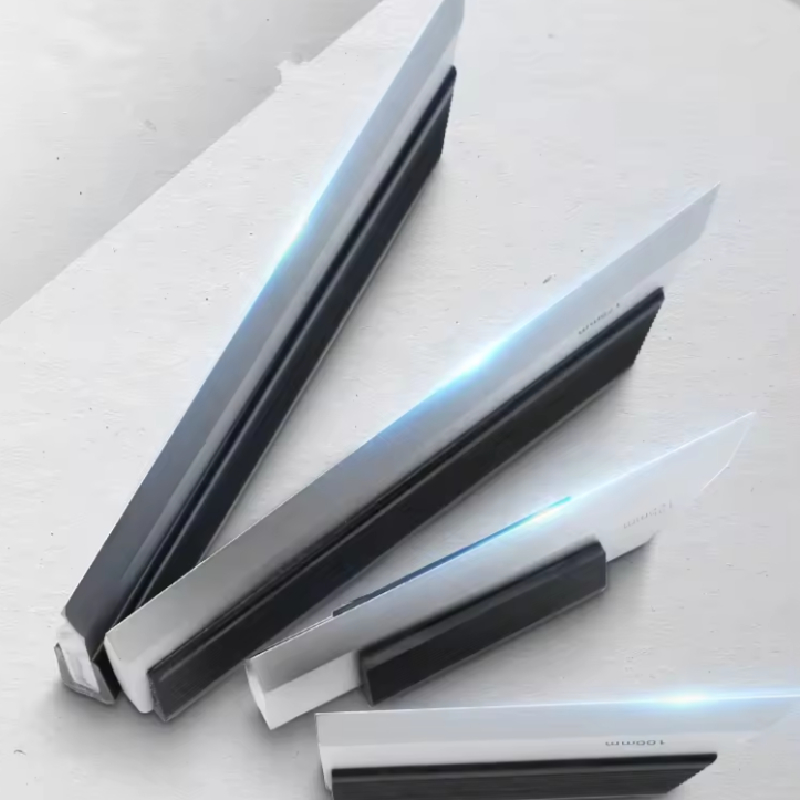
u shaped glass
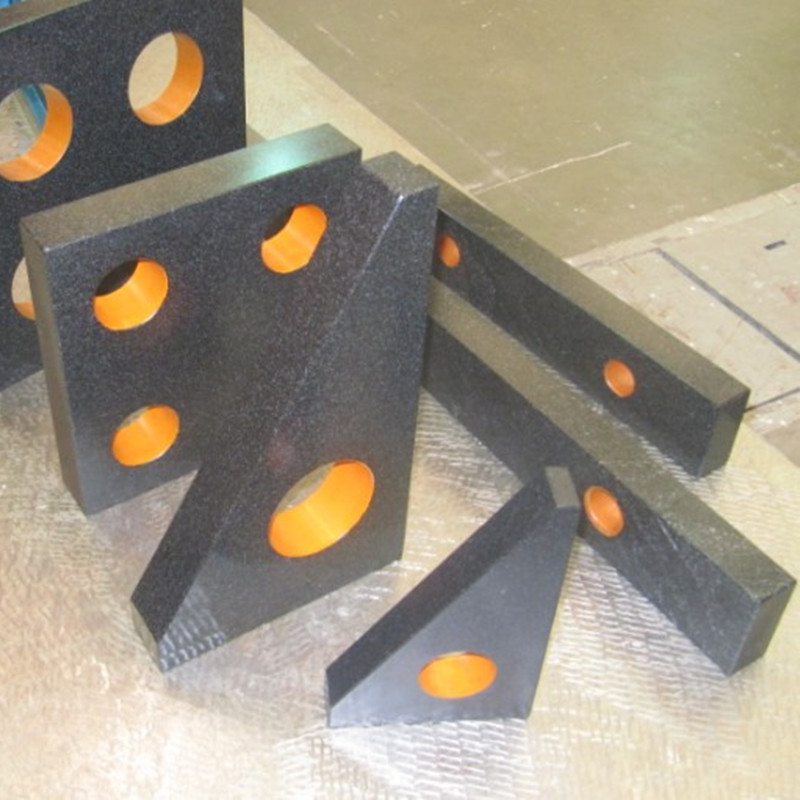
Precision Cast Iron Surface Plates The Cornerstone of Metrology Precision and accuracy are vital in the world of manufacturing and engineering, where even the smallest deviation can lead to significant errors in the finished product. One of the fundamental tools used in ensuring precision is the surface plate, particularly those made of cast iron. Precision cast iron surface plates are essential instruments that provide a stable, flat reference surface for various inspection, measurement, and layout tasks. What are Surface Plates? Surface plates serve as a flat reference plane that supports workpieces during measurements and inspections. They are used in a variety of applications, from machining and assembly to quality control. The accuracy of these plates is crucial; any irregularities on their surfaces can translate into errors in measurements taken from them. Therefore, the best surface plates are engineered to be as flat as possible. The Benefits of Cast Iron Cast iron is an ideal material for creating precision surface plates due to its unique combination of properties. It is not only durable and resistant to wear but also possesses excellent damping characteristics, which helps to absorb vibration and prevent disturbances that could affect measurement accuracy. Additionally, cast iron has a natural ability to maintain its shape over time, which is essential for preserving flatness. Manufacturing Process The manufacturing process of precision cast iron surface plates involves several critical steps. First, high-grade cast iron is selected to ensure the best quality. The casting process allows for the creation of large plates with uniform composition and minimal internal stress. After casting, the plates undergo a precise machining process where they are ground to achieve the required flatness and surface finish. To ensure maximum accuracy, the plates are typically ground in such a way as to obtain a surface finish that meets specific industry standards. The end result is a surface that offers a high degree of flatness, which is crucial for accurate measurements. precision cast iron surface plate Calibration and Maintenance To maintain precision, surface plates need regular calibration and maintenance. Typically, a surface plate should be checked for flatness at least once a year. This involves using specialized measuring equipment, such as electronic levels or dial gauges, to identify any wear or deformation that may have occurred over time. Proper care is essential to prolong the lifespan of a cast iron surface plate. Cleaning the surface after each use and applying a protective coating can help prevent rust and other damage. Additionally, avoiding the placement of heavy objects on the plate when not in use will lessen the risk of deformation. Applications Across Industries Precision cast iron surface plates find applications in numerous industries, including aerospace, automotive, and manufacturing. They are commonly used in quality control labs where they serve as a reference for calibrating measuring instruments. In manufacturing environments, they provide stability for workpieces while they are being machined or assembled. Moreover, in metrology and research settings, precision cast iron surface plates are crucial for experimental setups that require high accuracy. They serve as platforms for tool markers, gauges, and other instruments that need a reliable reference point. Conclusion In the realm of precision engineering, a cast iron surface plate is more than just a flat piece of material; it is a vital tool that ensures measurements are accurate and reliable. The unique properties of cast iron, combined with a meticulous manufacturing process, make these plates indispensable in various industrial applications. Regular maintenance and calibration are essential to preserving their precision. As industries continue to evolve and demand higher accuracy, the role of precision cast iron surface plates will undoubtedly remain a cornerstone in the field of metrology.
about
u shaped glass
The Right Angle Protractor A Cornerstone Tool in Geometry and Beyond The right angle protractor is an essential instrument in the realm of geometry and engineering. It serves a vital role in measuring and constructing angles, particularly right angles, and has applications that extend far beyond the classroom. Understanding its features, uses, and significance can enhance one’s appreciation for this simple yet powerful tool. A right angle protractor typically consists of a semi-circular body marked with degree measurements from 0° to 180°. The central point of this arc denotes the vertex of an angle, while a straight edge, known as the baseline, aligns with one ray of the angle being measured. The other ray can then be aligned with the degree markings on the protractor to determine the angle's measurement accurately. The clarity and precision of these markings make it easy for users to read angles with confidence. One of the most prominent uses of the right angle protractor is in educational settings. It is a fundamental teaching tool in mathematics classes, particularly in geometry. Students learn to measure angles, which is a critical skill not only in math but also in various fields such as physics, architecture, and engineering. By using a protractor, students gain a tangible understanding of concepts such as acute, obtuse, and right angles. This hands-on experience reinforces theoretical learning and aids in retaining complex concepts. In addition to its educational significance, the right angle protractor plays an indispensable role in various professions. For architects and engineers, precise angle measurements are paramount . The right angle protractor helps in the design process, ensuring that structures are built to precise specifications. It allows drafters and architects to visualize dimensions accurately, facilitating the creation of buildings and structures that are both functional and aesthetically pleasing. right angle protractor Moreover, carpenters and artisans rely on the right angle protractor for crafting furniture and other woodwork. When constructing items like tables, chairs, or cabinets, ensuring that angles are right can greatly affect the stability and overall quality of the finished product. By utilizing a protractor, craftsmen can achieve greater accuracy in their cuts, which contributes to the craftsmanship and longevity of their creations. The right angle protractor also finds its way into fields like robotics, where precise angles are essential for creating movements and functions. In robotics, even minor discrepancies in angle measurements can lead to significant malfunctions or inefficiencies. Hence, engineers may rely on protractors to ensure every component is aligned correctly, leading to smoother operations of robotic systems. As technology advances, digital versions of protractors have become available, providing users with digital displays and more precise measurements. These high-tech protractors can integrate with software that allows for automated calculations and designs, making them invaluable tools for engineers and designers. However, the traditional right angle protractor remains popular due to its simplicity, ease of use, and low cost. In conclusion, the right angle protractor is far more than just a simple measuring device; it embodies the principles of precision and accuracy that are foundational across numerous fields. From classrooms to construction sites, the ability to measure and create right angles has profound implications that affect both simple tasks and complex projects. As we continue to evolve in our understanding of geometry and technology, the right angle protractor will undoubtedly maintain its significance as an essential tool for learners and professionals alike. Understanding its function and purpose can inspire appreciation for the careful craftsmanship that goes into the designs of the world around us. Whether in academic pursuits or practical applications, the right angle protractor serves as a bridge between theory and practice, facilitating the precise construction of our physical environment.
-

High quality industrial productsagement

High quality industrial products
View Details -

Meet the diverse needs of customers

Meet the diverse needs of customers
View Details -

Strict quality control

Strict quality control
View Details -

Top raw materials

Top raw materials
View Details -

Trusted supplier

Trusted supplier
View Details
Our application

news and information

Válvulas de compuerta y globo
Válvulas de compuerta y válvulas de globo Una comparación Las válvulas son componentes esenciales en

Vertical Y Strainer Design and Applications in Fluid Management Systems
Understanding Vertical Y Strainers Essential Components for Fluid Systems In the world of fluid mana
Water Strainer for Efficient Filtration and Reliable Performance in Various Applications
Understanding the Y-Type Water Strainer A Key Component in Fluid Systems In industrial and municipal
 English